If Nobody Could Print Money What life might look like if money couldn't be created out of thin air
The short version
- Technology makes things cheaper every year. If nobody could create money, you'd see it in prices.
- That's great for savers and paychecks. It's hard on anyone in debt.
- The real danger isn't falling prices. It's a panic with no brakes.
The flat-screen clue
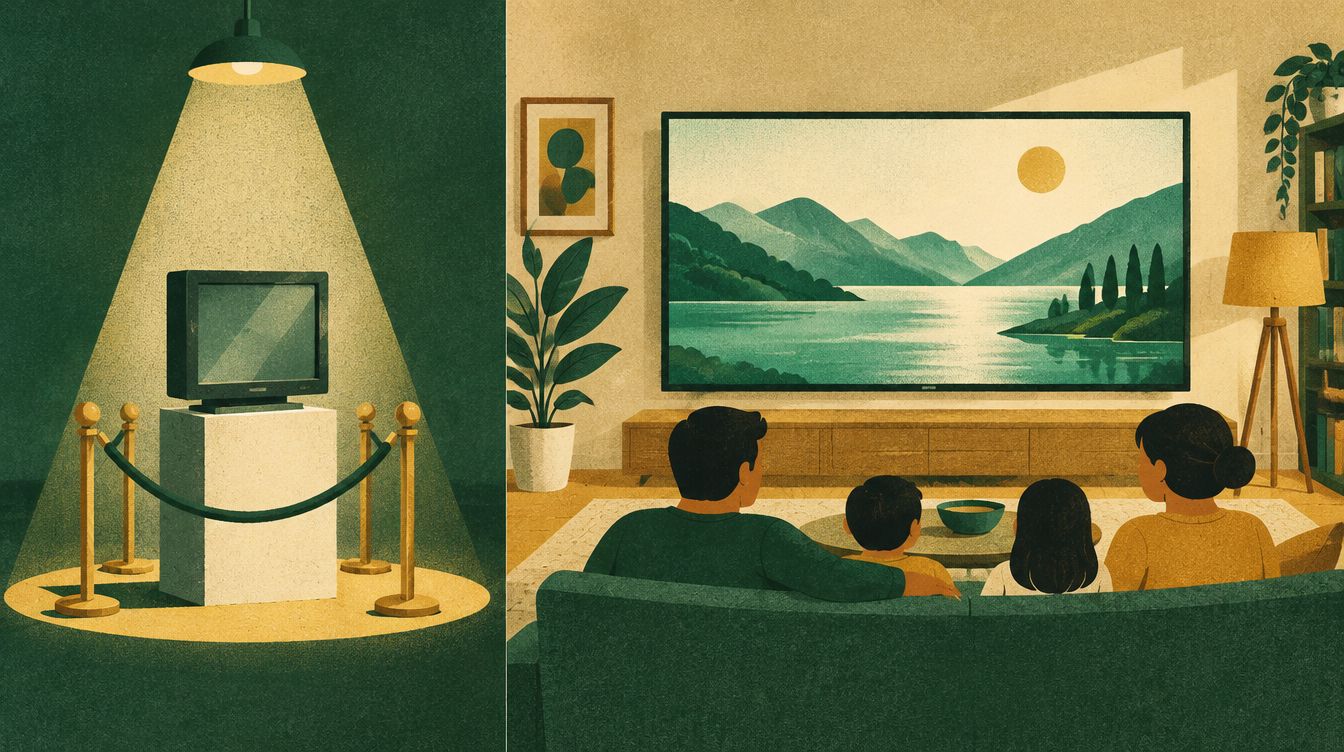
If you bought a 42-inch flat screen in the early 2000s, you probably paid around $3,000 and carried it into the house like a newborn. Today a very good 85-inch 4K TV costs under $1,000. That's about four times the screen for a third of the price.
People didn't stop buying TVs. The world still buys around 200 million a year. They just got much cheaper to make. Factories now cut glass sheets bigger than a garage door and slice them into TVs, and new factories in China flooded the market.
Here's the part that matters. TVs got cheaper even while new dollars were being added every year. TV-making improved fast enough to outrun inflation. A haircut, a nurse's shift, or a teacher's class can't speed up like that, so for most of what you pay for, inflation wins.
So what if nobody could add new dollars at all?
Welcome to Fixedland
Picture a country with one rule: the amount of money stays about the same. It might grow 1% a year at most, a bit slower than gold (new mining adds about 1 to 2% a year), and nobody can speed it up.
In Part 1, banks created new money every time they made a loan. In Fixedland they can't. A bank can only lend out money that someone actually saved.
Everything else stays the same. People still invent things and get better at their jobs, and the economy still grows about 2% a year. More stuff, same amount of money. So prices slowly drift down, and every dollar buys a little more.
Assumes prices drift down about 2% a year. Real life would be bumpier.
After 30 years, a $100 cart costs about $55. In real life wages would probably drift down a little too, but a paycheck would still buy more each year. That sounds like a fairy tale. It isn't free, though.
The good
Savers win, and paychecks stretch further.
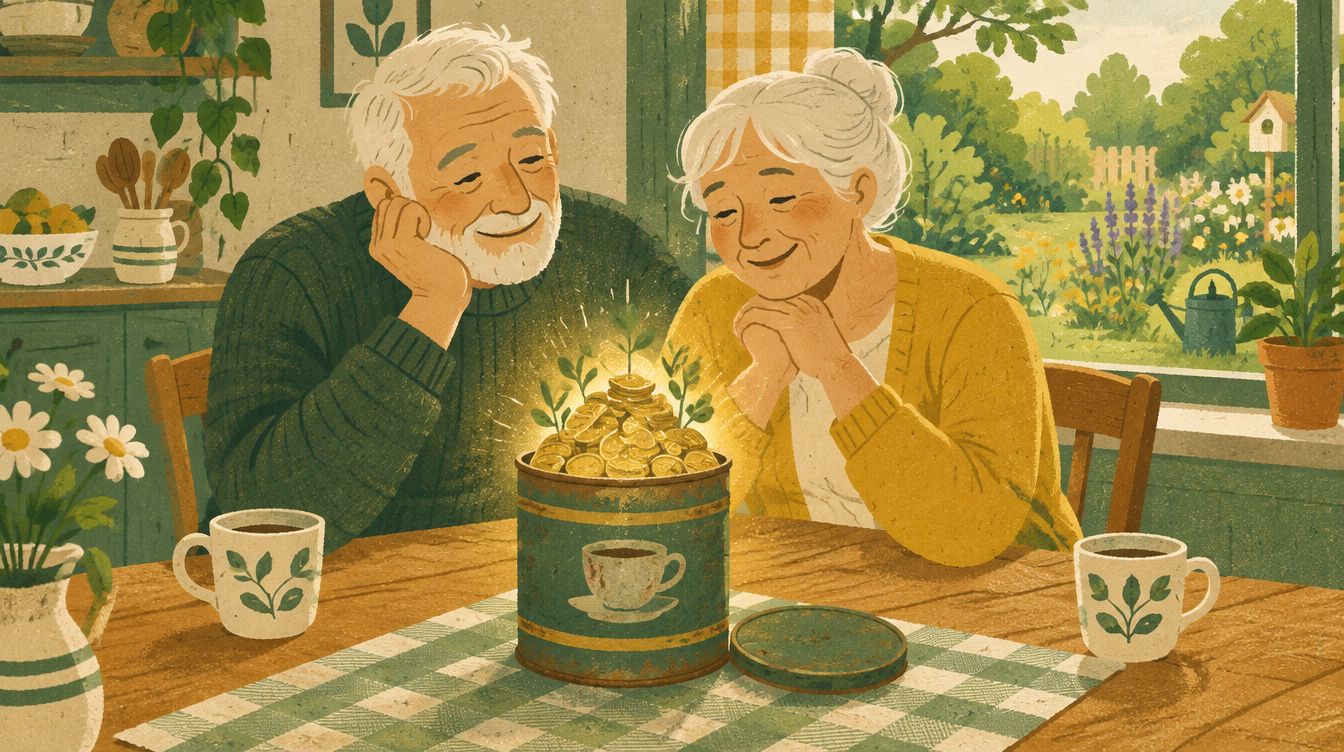
- Savers win by sitting still. Cash gains value every year instead of losing it. Retirees on a fixed income get a little richer, not poorer.
- Your raise is real. When prices drift down, a raise is a true raise, not just catching up.
- Nobody gets the new money first. In Part 1, new money reached banks and owners first. In Fixedland there's none to hand out, so nobody gets a head start.
Read more
Your grandmother's coffee can of cash would actually grow in value. And government spending gets out in the open: every war, bailout, and new program would have to be paid for with taxes or borrowing from real savings, where everyone can see the cost.
The bad
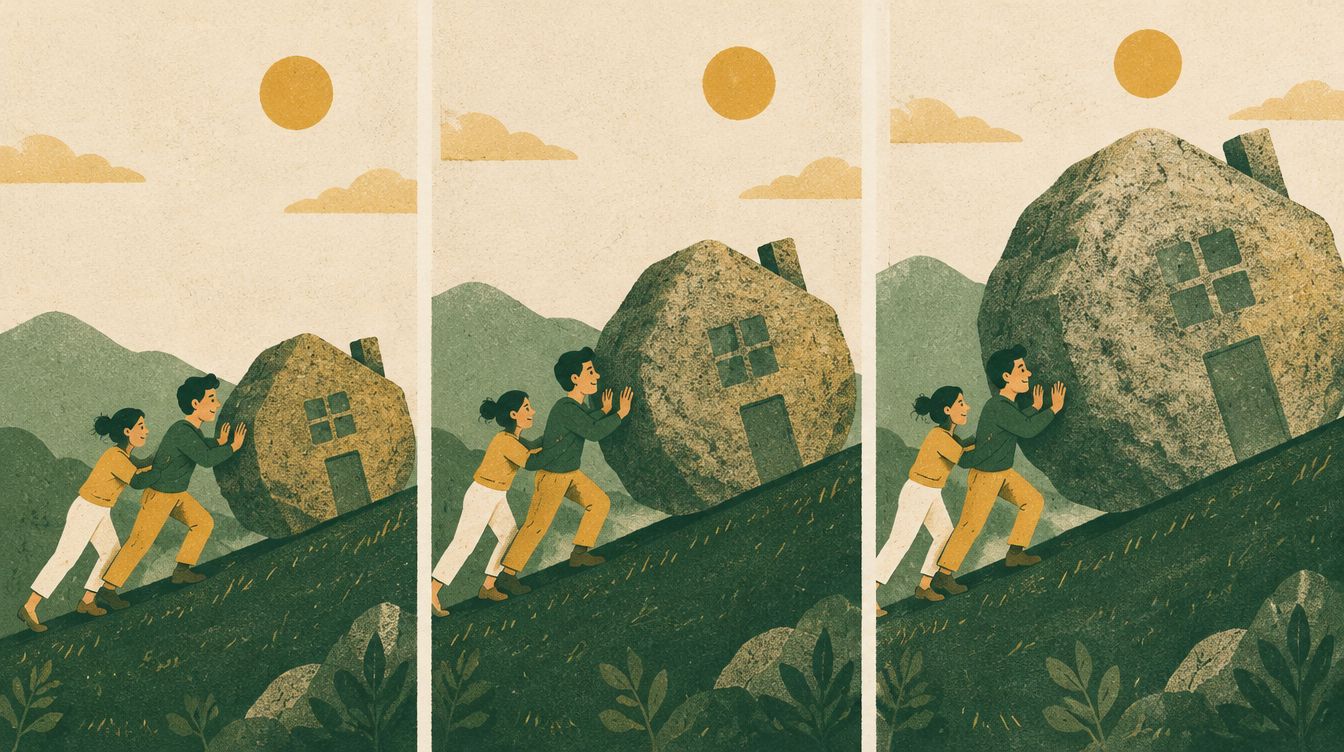
Anyone who owes money pays for it.
- Debt gets heavier. Your balance stays the same, but if wages drift down, it takes more of your work to pay off. Think credit cards: the balance doesn't shrink, but your paycheck might. Farmers felt this so badly in the 1890s that it became a presidential campaign.
- Most people won't take a pay cut. Even if prices fall 3%, a 3% pay cut feels like an insult. So companies tend to lay people off instead.
- Cheaper houses, harder loans. Houses would likely cost less compared with paychecks, but banks can only lend real savings, so you'd need a bigger down payment.
- Getting there would hurt. The U.S. owes over $40 trillion. With no new money, it would have to raise taxes hard, cut programs like Social Security and Medicare, or not pay some of it back. There's no gentle way to switch.
Read more
The 1890s campaign was William Jennings Bryan's, and his "Cross of Gold" speech in 1896 was about exactly this. Businesses would feel it too. One that wants $200,000 for new trucks might hear no. And land and zoning would still push house prices up.
The really bad
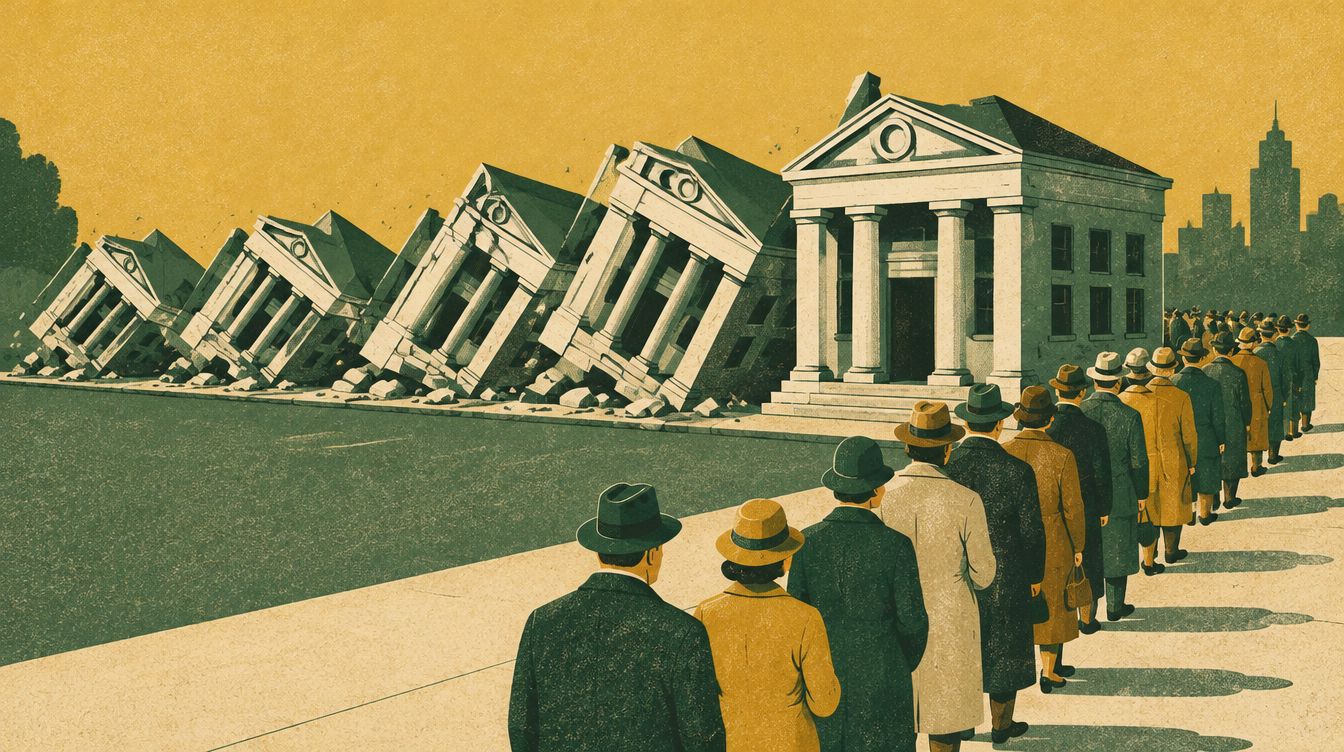
A panic with no brakes.
This is the part that gets skipped most often: a spiral where falling prices feed on themselves.
- Something scary happens
- People stop spending
- Prices fall
- Debts get heavier
- People can't pay
- Banks fail
- Savings disappear
- Even less money
Picture COVID in Fixedland. No relief checks unless they're paid for with taxes or real savings, right when everyone is scared and nobody is spending.
The really good
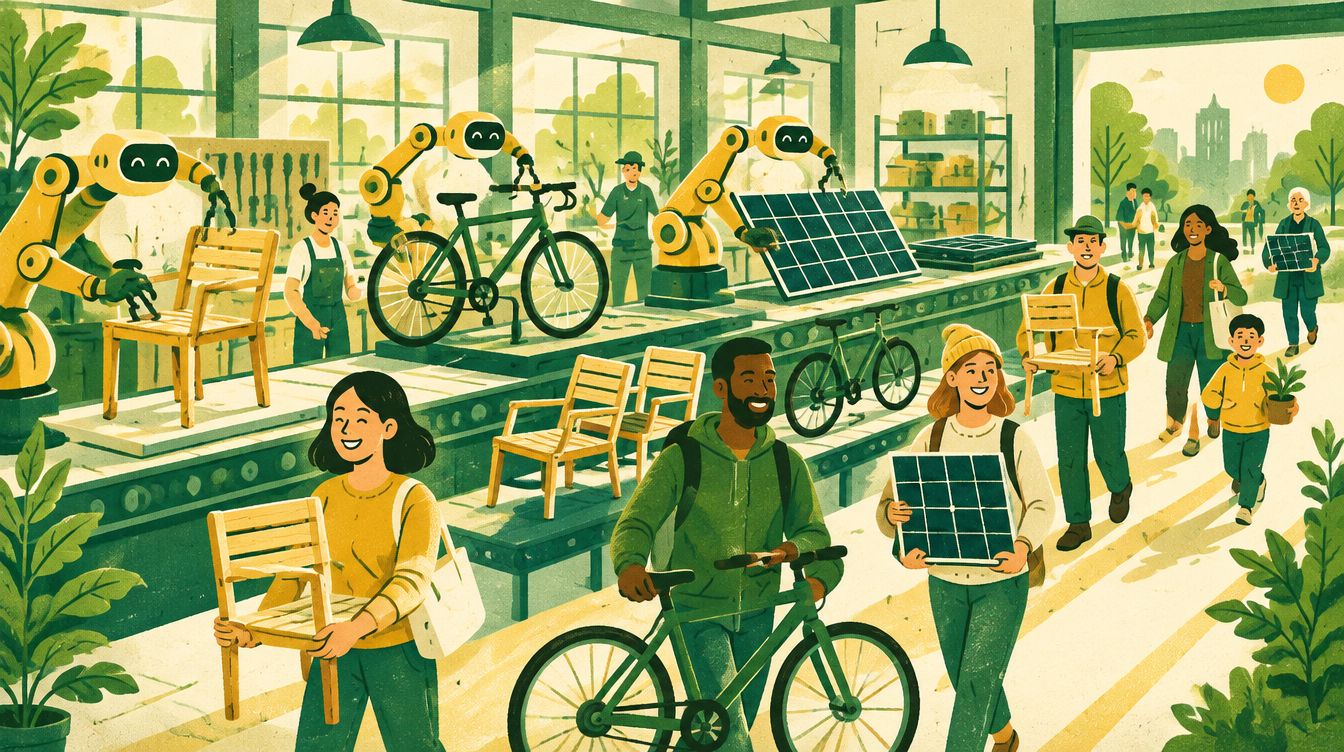
Every invention makes life cheaper for everyone.
Jeff Booth argues this is where technology wants to take us. Every gain shows up as lower prices for everyone, instead of higher stock prices for people who already own things. The 85-inch TV effect would spread to food, energy, clothes, and eventually anything a machine can make.
It's not just a theory. It has happened before.
Two times prices fell
Economists call falling prices "deflation." America has lived through it twice. Same symptom, two very different endings.
- 1873 to 1896
Prices fall for over 20 years, and the country booms
Railroads cross the country, steel gets cheap, the telephone arrives. Over the whole stretch, real wages rise. It isn't smooth: there are bank panics in 1873 and 1893.
- 1907
Another bank panic
Bad enough that Congress creates the Federal Reserve in 1913 to stop the next one.
- 1929 to 1933
Prices fall about 25%, and the country breaks
One in four workers is out of a job. About 9,000 banks fail. The Fed exists by now, and many economists blame its mistakes as much as the gold standard.
- 1931 and 1933
Britain, then the U.S., leave gold
They're among the first to climb out of the worst of it. In 1933 Congress creates the FDIC, and from 1934 on, a bank failure no longer wipes out your savings.
Good deflation
Prices fall because we got better at making things. Paychecks buy more. Feels like the TV aisle.
Bad deflation
Prices fall because people got scared and stopped spending. Jobs disappear. Feels like 1932.
Read more
Economists call the first kind "good deflation." One big study looked at 17 countries over more than 100 years and found that falling prices and depressions rarely went together, except in the 1930s.
So is deflation good for normal people?
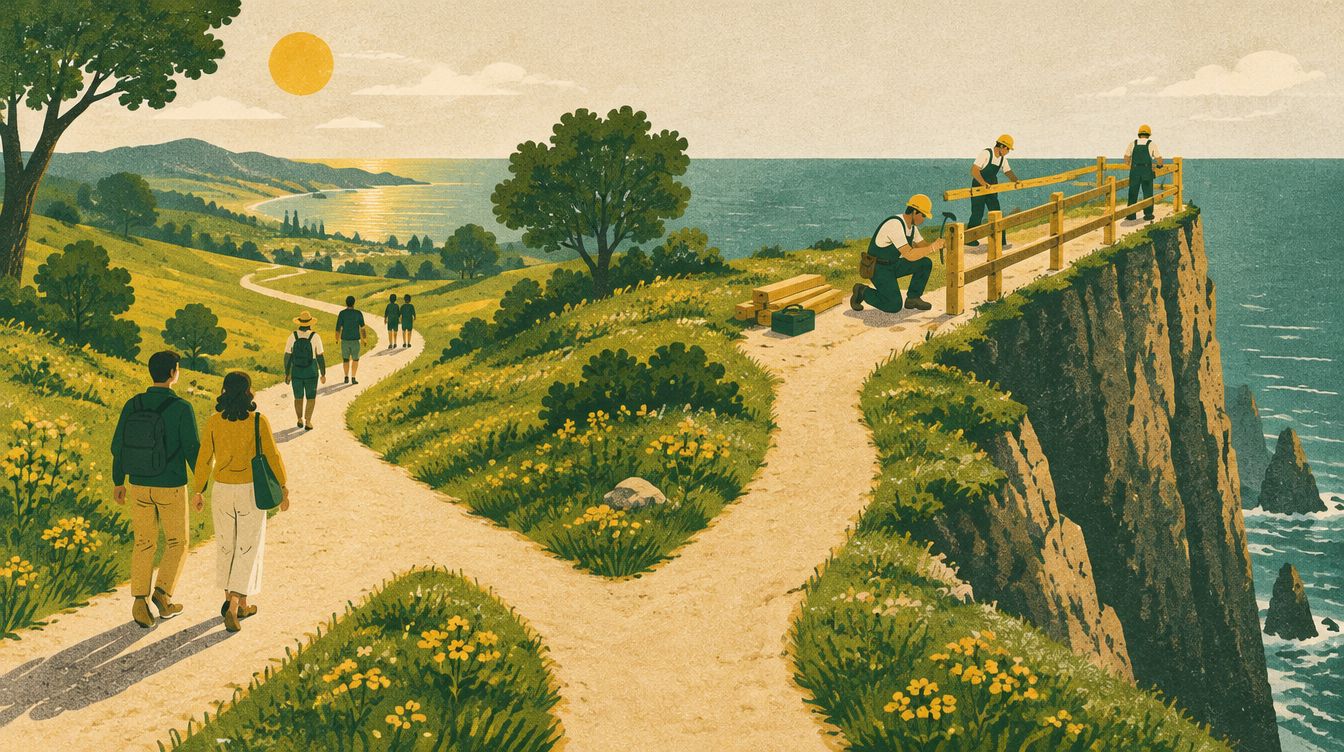
Mostly yes, when it comes from getting better at making things. The danger is when it comes from panic, because a world that can't create money has no brakes once the spiral starts.
Some economists want to keep the good kind and stop the bad kind: let prices fall slowly as we get better at making things, but keep total spending steady so a panic can't spiral. Whether anyone could run that rule honestly, year after year, is a fair question.
What this means for you today
- We don't live in Fixedland. Prices here tend to rise, so cash sitting still loses ground.
- Rising prices make a fixed-rate mortgage a little lighter over time. Credit cards are the exception: at 20%+ interest, the balance grows much faster than inflation shrinks it.
- So Part 1's advice still holds: pay down high-interest cards first, and own something that grows.
Which raises the next question: could you build money that nobody controls at all?
Read Part 3: Money Nobody Controls → ← Back to Part 1: Where Money Comes From- Jeff Booth, The Price of Tomorrow (2020)
- George Selgin, Less Than Zero (1997), on letting prices fall with productivity
- Irving Fisher, "The Debt-Deflation Theory of Great Depressions" (1933)
- Barry Eichengreen, Golden Fetters (1992), on gold and the Great Depression
- Bordo, Landon-Lane and Redish, "Good versus Bad Deflation" (2004)
- Atkeson and Kehoe, "Deflation and Depression: Is There an Empirical Link?" (2004)